Decor & Lighting
Grow Lights: Keeping Houseplants Alive Through the Dark Months
Most houseplant deaths are light deaths, not water deaths. A grow light guide for people who want thriving plants, not a science project.
Dwell Ritual is reader-supported. When you buy through links on our site, we may earn an affiliate commission at no extra cost to you. Read our full disclosure.
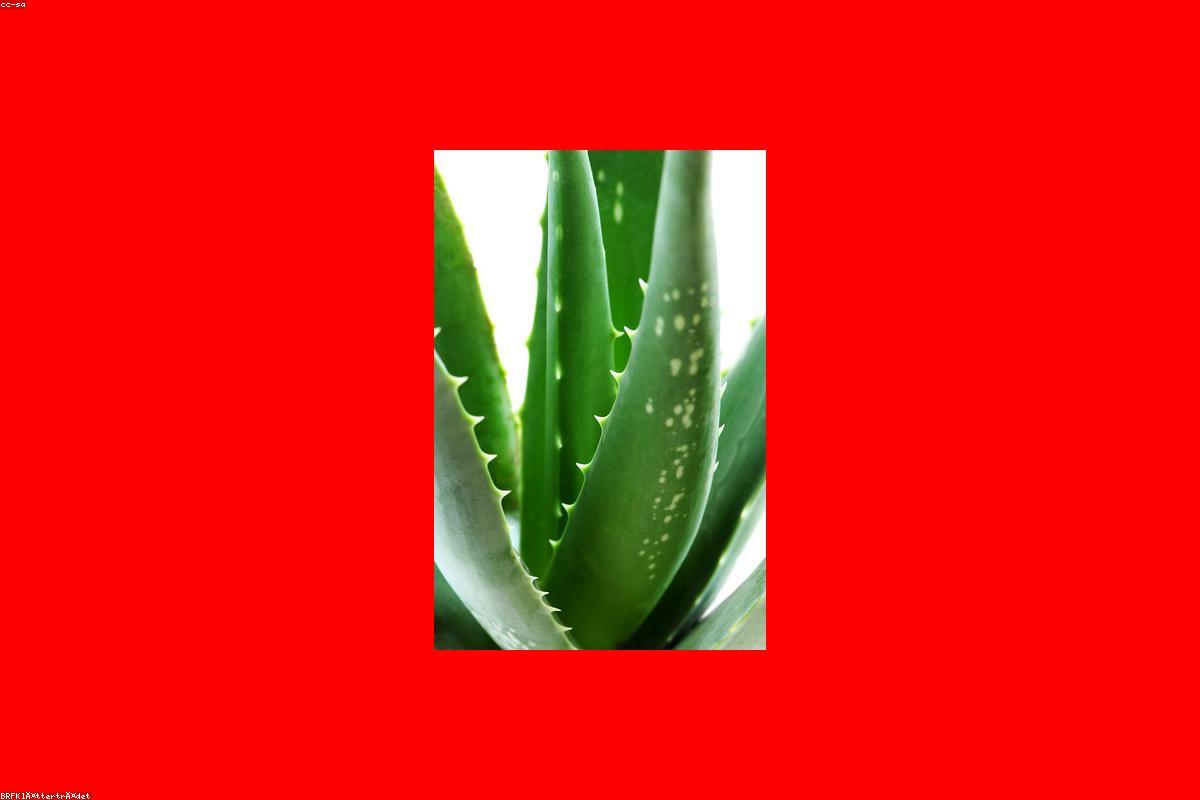
Here is the uncomfortable truth about houseplants: most of them are starving, not drowning. “Bright indirect light” — the phrase on every plant tag — means near a south-facing window, unobstructed. The corner where your fiddle-leaf fig slowly declines? That is shade, by plant standards. Winter makes it worse: shorter days, weaker sun, and light levels that can drop to a quarter of summer’s.
A grow light ends the negotiation. Your plants stop depending on window geography, and you get to put greenery where it looks good rather than where it barely survives.
What plants actually need
Plants eat photons, broadly in the blue and red ranges. Modern full-spectrum white LEDs cover those ranges while looking like normal warm-white light to human eyes — no purple disco glow. Leafy houseplants (pothos, philodendrons, ferns) need modest intensity; herbs and succulents want more; fruiting plants want the most.
Duration matters as much as intensity: most houseplants thrive on 12-14 hours of light daily. A cheap outlet timer automates the whole thing.
The three form factors
Light strips/bars. Mount under shelves or cabinets, invisible, perfect for plant shelves. The best-looking solution.
Bulbs. Screw into any lamp you own. The cheapest entry — a regular desk lamp becomes a grow light for the price of a bulb.
Floor/clip lamps. Standalone fixtures that spotlight a single plant or cluster. Best for statement plants in dark corners.
The picks
For a plant shelf, Barrina T5 full-spectrum strips mount invisibly under each shelf and daisy-chain together — the setup behind every impressive plant-stagram shelf.
For a single plant, Sansi’s full-spectrum bulbs screw into any lamp and deliver serious intensity in a normal-looking bulb.
For flexibility, a clip-on gooseneck grow light with built-in timer clamps to shelves and desks and aims exactly where you need it.
Setup basics
Distance matters: 12-24 inches above foliage for most leafy plants, closer for succulents and herbs. Run lights 12-14 hours on a timer, morning start mimics nature. Watch the plants — leaves reaching toward the light want more; bleached or scorched patches mean less distance or shorter hours.
The honest tradeoffs
Grow lights add a small electricity cost (LEDs keep it modest — a few dollars a month). Visible fixtures need styling to look intentional. And a grow light will not save a plant you are also overwatering; it fixes light problems, not all problems.
FAQ
Will a regular LED bulb work? Not well. Household bulbs are tuned for human eyes, not plant growth. Dedicated full-spectrum grow bulbs cost little more and perform far better.
Do plants need darkness? Yes — most need 8+ hours of dark. Running lights 24/7 stresses them.
How do I know if my plant needs more light? Leggy stretched growth, small pale new leaves, and leaning hard toward the window are the classic signs.
Give your plants twelve honest hours of light a day and they will stop merely surviving the winter and start growing through it.
Prices and availability are accurate as of the date noted on the product and are subject to change.