Cleaning & Laundry
Robot Vacuums Are Finally Worth It — If You Buy the Right One
What a robot vacuum actually handles well, where it still fails, and the models that earn their floor space in real homes.
Dwell Ritual is reader-supported. When you buy through links on our site, we may earn an affiliate commission at no extra cost to you. Read our full disclosure.
The promise of the robot vacuum was always “never think about floors again,” and for years the reality was a hockey puck that ate charging cables and got stuck under the sofa. That era is over. Modern robot vacuums with LiDAR mapping genuinely keep a floor clean with almost no input — but only if your expectations match what they actually do.
What a robot vacuum does well
Daily maintenance. The real magic is not deep cleaning — it is that crumbs, pet hair, and dust never accumulate. Run it daily and your floors stay at a baseline that used to require vacuuming every other day.
Pet hair. If you live with a shedding dog or cat, a robot vacuum is close to a necessity. It collects the daily tumbleweeds before you ever see them.
Under furniture. Beds and sofas that your upright vacuum reaches twice a year get cleaned daily.
Where it still fails
It will not deep-clean carpet like a full-size vacuum. It cannot do stairs. It needs the floor reasonably clear of cables, socks, and small toys — the “robot tax” of a nightly two-minute tidy. Cheap models without mapping still wander randomly and miss rooms.
What to look for
LiDAR mapping. Non-negotiable. Mapped robots clean efficiently, respect no-go zones, and let you send them to specific rooms.
Self-empty dock. Worth it. Without one, you empty a tiny dustbin every run; with one, you empty a bag every month or two.
Suction and brush design. For carpet and pet hair, look for a rubber brush roll — it resists hair tangles far better than bristles.
Mopping. A nice bonus for hard floors, but treat it as a light wipe-down, not a real mop.
The picks
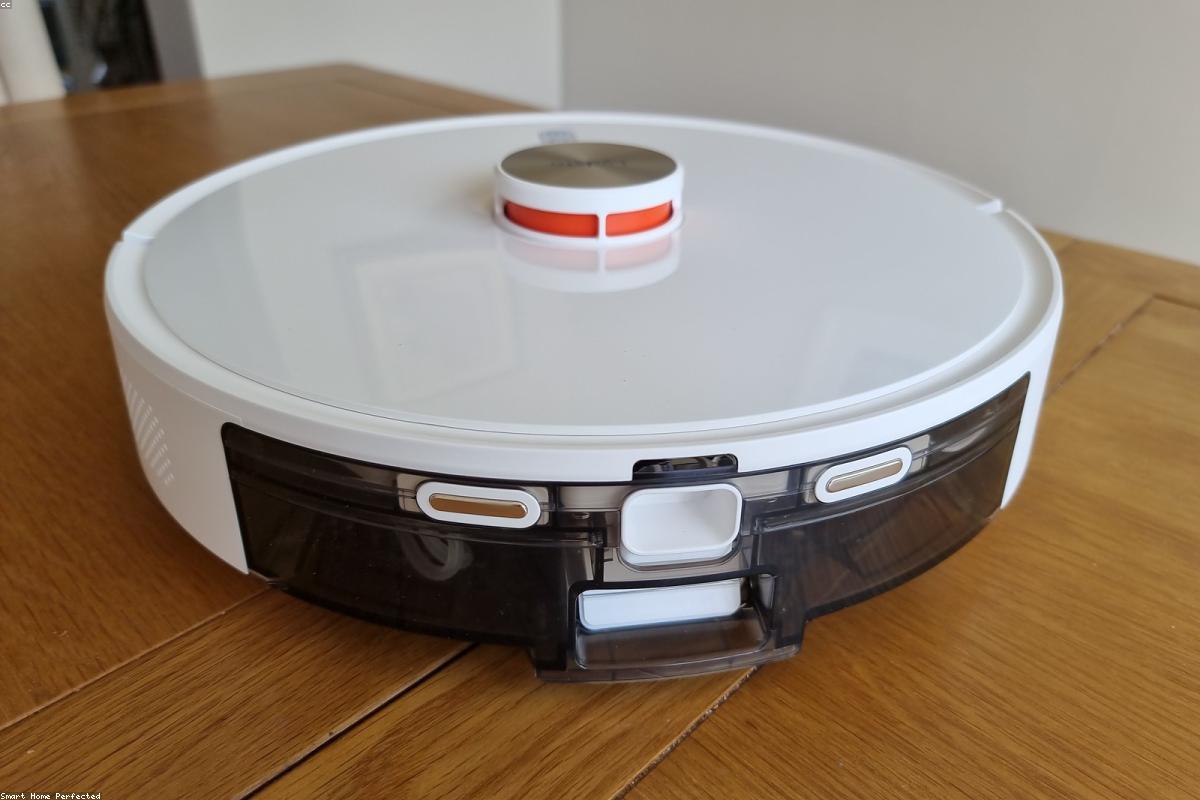
The Roborock Q7 Max hits the sweet spot: excellent LiDAR mapping, strong suction, a rubber brush, and optional self-empty dock — at a mid-range price that undercuts the flagship models.
On a budget, the Eufy RoboVac 11S is a slim, quiet, random-navigation cleaner that still handles hard floors and low-pile rugs surprisingly well for the price.
At the top end, the iRobot Roomba j7+ adds obstacle avoidance trained to recognize cords and pet accidents, plus the best self-empty implementation in the business.
The honest tradeoffs
The self-empty dock is loud for ten seconds — genuinely startling the first time. Robot vacuums also demand some maintenance: clean the brush roll weekly, wipe sensors monthly, replace filters. And dark-colored rugs can confuse cliff sensors on some models.
How to choose
- Most homes, best value? Roborock Q7 Max.
- Tight budget, hard floors? Eufy 11S.
- Pets, clutter, want the fewest rescues? Roomba j7+.
- Mostly thick carpet? Keep your upright as the primary; the robot is support staff.
FAQ
Will it replace my regular vacuum? Not entirely. Plan on a real vacuum pass every few weeks for edges and deep carpet.
Does it work with pets home alone? Yes — most pets ignore them after a few days. Models with obstacle avoidance are safest around pet messes.
How long do they last? Three to five years is typical; batteries and brushes are replaceable on good models.
Buy for the floors you have, not the fantasy. With realistic expectations, a mapped robot vacuum is one of the few gadgets that genuinely gives you time back.
Prices and availability are accurate as of the date noted on the product and are subject to change.