Kitchen & Dining
The Best Cast Iron Skillets for Everyday Cooking
A practical guide to cast iron skillets for home cooks — what actually matters, which sizes earn their keep, and the honest tradeoffs at each price.
Dwell Ritual is reader-supported. When you buy through links on our site, we may earn an affiliate commission at no extra cost to you. Read our full disclosure.
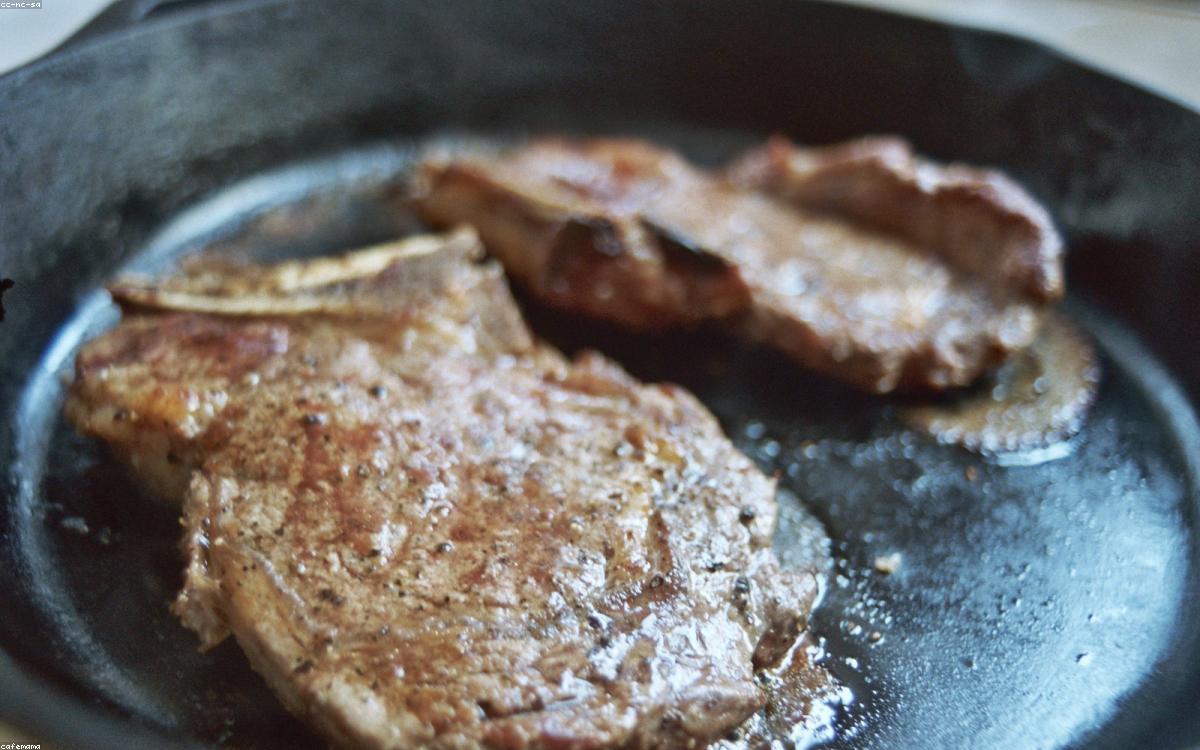
There is a particular kind of satisfaction that comes from pulling a cast iron skillet out of the oven — cornbread with a crackling crust, a steak that actually seared instead of steamed, a frittata that slides onto a board. The pan is older than you, probably older than your kitchen, and it asks very little in return.
If you’ve been hesitating because cast iron feels fussy, here’s the truth: a good skillet is one of the lowest-maintenance things in your kitchen once you understand it. This guide is about helping you pick one you’ll still be using in twenty years.
What actually matters
Pre-seasoning is fine, seasoning is forever. Most new skillets arrive pre-seasoned with a thin layer of oil baked into the iron. It’s enough to cook on immediately, but the real seasoning — the dark, glassy patina — builds up over months of use. Don’t overthink the first few meals.
Weight is a feature, not a flaw. A 10-inch skillet holds heat precisely because it’s heavy. If you have wrist issues or a weaker grip, look at lighter machined options, but accept that some heft is the point.
Size dictates dinner. A 10.25-inch skillet is the sweet spot for two to four people: it fits four chicken thighs or a proper batch of vegetables. A 12-inch gives you room for a crowd but is noticeably heavier and slower to heat.
The picks
For most home cooks, the Lodge 10.25-inch skillet is the right answer. It’s affordable, indestructible, and pre-seasoned well enough to use on day one. Lodge has been making these in Tennessee for over a century, and the design hasn’t changed because it didn’t need to.
If you want something lighter and smoother, a machined skillet like the Victoria cast iron skillet has a slightly finer cooking surface and an ergonomic helper handle that makes a real difference when the pan is full.
For those who want to invest once and never think about it again, the Smithey No.10 skillet has a polished interior that behaves like a vintage pan — smoother release, faster seasoning build, and a finish that feels heirloom-grade.
The honest tradeoffs
Cast iron is not nonstick on day one. Eggs will stick until your seasoning matures — plan for a few weeks of cooking fattier foods first. It’s also not the right tool for delicate sauces that need precise low-heat control; enameled cast iron (like a Dutch oven) is better there.
And please, ignore the internet fights about soap. Modern dish soap is fine. Wash it, dry it thoroughly, rub in a drop of oil, and move on.
How to choose
- Cook for one or two? A 10.25-inch is plenty.
- Cook for a family? Step up to a 12-inch, and look for a helper handle.
- Want smooth and light? Budget for a machined or polished pan.
- Just want it to work? Get the Lodge and start cooking tonight.
FAQ
Do I need to season it before first use? No. Pre-seasoned skillets are ready to cook on. Just rinse, dry, and add oil.
Can I use metal utensils? Yes. The iron doesn’t care. Your seasoning might thin slightly, but it rebuilds.
Is it oven-safe? Completely — cast iron handles any temperature your oven can produce.
Cast iron rewards showing up. Buy one good skillet, use it often, and it will outlast every nonstick pan you’ve ever owned.
Prices and availability are accurate as of the date noted on the product and are subject to change.