Kitchen & Dining
How to Choose a Chef’s Knife You’ll Actually Keep
The one knife that does most of the work in your kitchen — how to choose a chef’s knife by feel, steel, and the way you actually cook.
Dwell Ritual is reader-supported. When you buy through links on our site, we may earn an affiliate commission at no extra cost to you. Read our full disclosure.
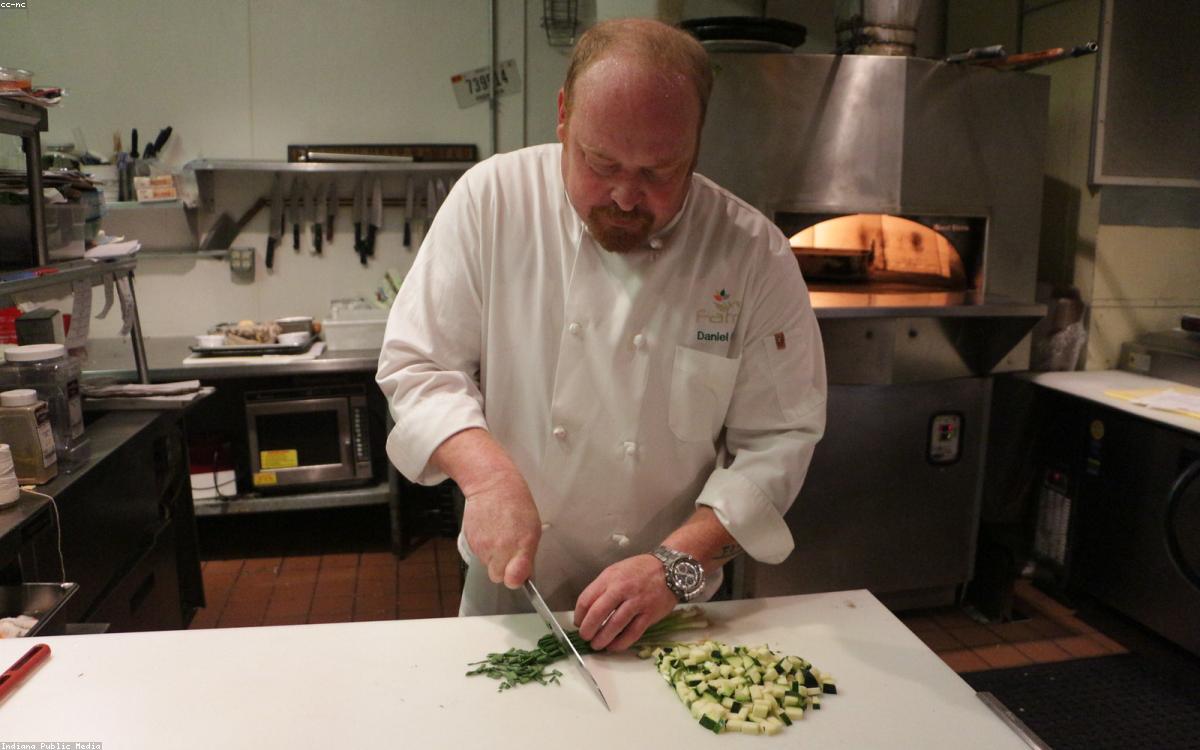
If you only own one good knife, make it a chef’s knife. It does roughly 90% of the cutting in a home kitchen — onions, garlic, herbs, chicken, squash, the odd melon. A sharp, comfortable 8-inch knife will change how cooking feels more than any gadget you can buy.
The mistake most people make is shopping for a knife the way they shop for a phone: reading spec sheets, chasing steel grades, optimizing for a number. A knife is a hand tool. The only spec that truly matters is whether it fits your hand and your habits.
What actually matters
Comfort beats everything. If the handle is wrong for your grip, you will hate the knife no matter how good the steel is. Hold it before you commit, or buy from somewhere with a generous return policy.
Steel is a tradeoff, not a ranking. Harder steel (like VG-10, found in many Japanese knives) holds an edge longer but is more brittle and harder to sharpen yourself. Softer steel (typical of Western knives) dulls faster but is forgiving and easy to maintain. Neither is universally better.
Weight and balance. A heavier knife does some of the work for you during rock chopping. A lighter knife feels nimble and precise. Neither is right — it’s about your style.
The picks
The Victorinox Fibrox 8-inch is the knife we keep recommending to people who just want to cook. It’s inexpensive, genuinely comfortable, holds a respectable edge, and forgives the kind of abuse that would chip a delicate Japanese blade.
If you want something sharper out of the box and prettier on the counter, the Misen chef’s knife uses solid steel at a fair price, with a slightly thicker spine that feels substantial.
For those ready to invest in a Japanese knife, the Mac MTH-80 is widely loved by cooks who want a sharper, lighter blade without venturing into fragile territory.
The honest tradeoffs
A sharper knife is safer — counterintuitive but true, because you press less and slip less. But a sharp knife only stays sharp if you maintain it. Budget for a honing rod (use it weekly) and learn to sharpen, or send it out a couple of times a year.
Avoid giant knife blocks. You don’t need twelve knives; you need one or two good ones and a paring knife. The rest gathers dust and dulls in a block.
How to choose
- First real knife? Get the Victorinox and learn to keep it sharp.
- Want to spend a little more for nicer steel? Misen or Tojiro.
- Ready for a forever knife? Mac, or visit a knife shop in person.
FAQ
How often should I sharpen? Hone weekly; fully sharpen every 6–12 months depending on use.
Western or Japanese? Western for toughness and ease; Japanese for sharpness and precision. Beginners usually prefer Western.
Do I need a wooden cutting board? Yes — wood or soft plastic. Glass, stone, and ceramic will destroy your edge in one session.
Buy the knife that feels right, keep it sharp, and put away the block. You won’t miss it.
Prices and availability are accurate as of the date noted on the product and are subject to change.