Outdoor Living
Coolers: How to Buy Ice Retention Without Paying for a Logo
Rotomolded coolers changed the game, but the premium tax is real. What actually keeps ice longest and which tier fits your weekends.
Dwell Ritual is reader-supported. When you buy through links on our site, we may earn an affiliate commission at no extra cost to you. Read our full disclosure.
Somewhere along the way, coolers became a status symbol. People pay four hundred dollars for a rotomolded box that holds ice for a week — impressive engineering that most buyers use to keep drinks cold for six hours at a barbecue. Meanwhile, a sixty-dollar cooler with two inches of insulation handles a long weekend perfectly well.
The right move is buying for your actual weekends, not the expedition you imagine. Here is how the tiers break down.
The three tiers
Soft coolers and budget hard coolers (under $100). One to two days of ice with sane packing. Covers day trips, beach days, tailgates, and most car camping. Wheels on anything 40 quarts and up — a full cooler is heavy.
Mid-range rotomolded ($150-250). Three to five days of ice. Bear-resistant latches, serious gaskets, drain plugs that do not leak. For multi-day camping, fishing trips, and hot climates.
Premium rotomolded ($300+). Five to seven-plus days. You are paying for extreme durability and marginal gains — worth it for guides, hunters, and week-long off-grid trips.
What actually extends ice life
More than the brand, technique decides how long ice lasts:
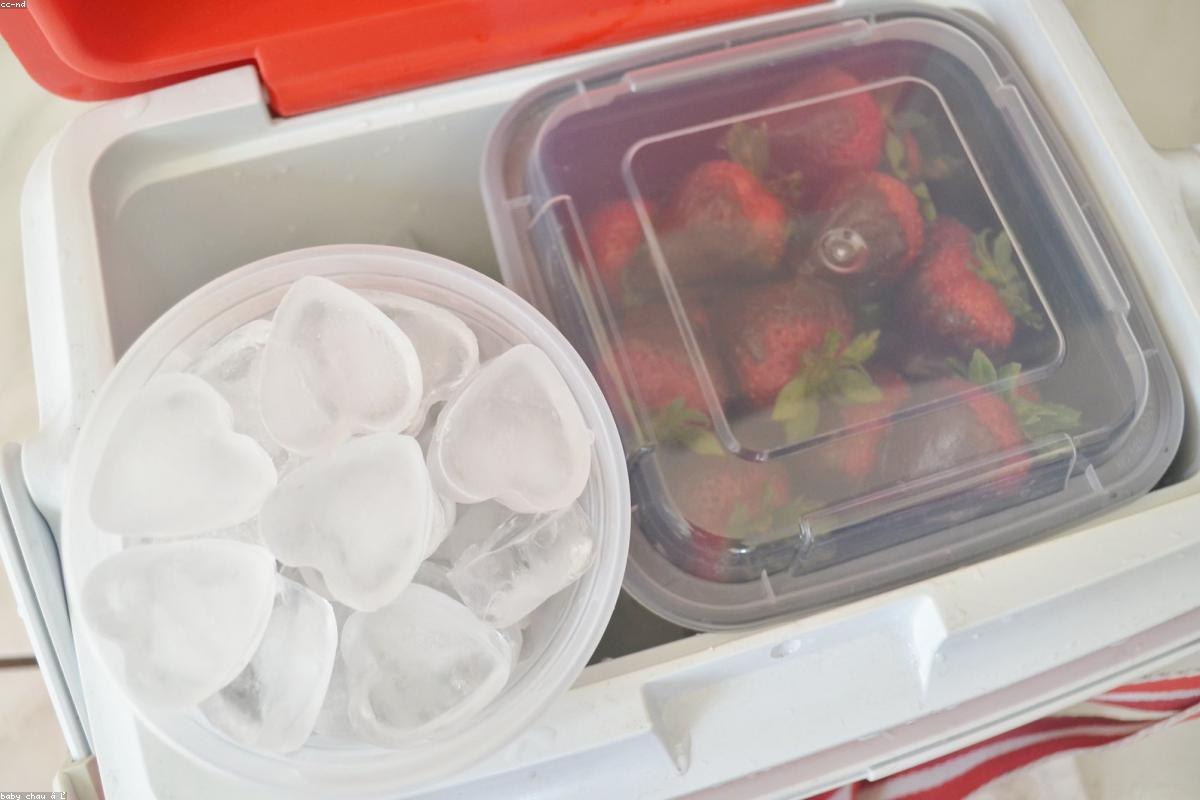
Pre-chill the cooler the night before with a sacrificial bag of ice. A warm cooler spends its first day cooling itself.
Block ice beats cubes. Blocks melt far slower; use blocks for the base and cubes to fill gaps.
Fill it full. Air is the enemy. A half-empty cooler melts fast; top off with extra ice or towels.
Open it less, shade it always. Every opening trades cold air for hot. And a cooler in direct sun fights a losing battle no matter the price tag.
The picks
The Coleman Xtreme 50-quart is the value king — legitimately rated for multi-day ice, wheels and a tow handle, cup holders in the lid, and a price that leaves budget for the contents.
For rotomolded performance without the flagship tax, the RTIC 45 delivers near-premium ice retention for a hundred-plus dollars less than the famous brands.
For the expedition tier, the YETI Tundra 45 remains the benchmark — bear-certified, nearly indestructible, and the resale value to match the sticker.
The honest tradeoffs
Rotomolded coolers are heavy even empty — a 45-quart weighs 25-plus pounds before a single drink goes in. Wheels help enormously. Premium coolers also make poor seats for large crowds despite what the marketing photos suggest (they are fine for one person). And no cooler survives being left open at a party; that is a people problem, not a gear problem.
FAQ
What size do I need? Day trips: 20-25 quarts. Weekend for two: 35-45. Family camping: 50-65. Bigger is only better if you can lift it.
Dry ice? Incredible performance in rotomolded coolers with the drain plug cracked for venting. Never in a sealed cheap cooler.
How do I stop the smell? Rinse after every trip, dry with the lid open, and store with the lid cracked. A baking-soda wash fixes existing funk.
Match the cooler to your longest realistic trip, learn the pre-chill trick, and your ice will outlast your weekend every time.
Prices and availability are accurate as of the date noted on the product and are subject to change.