Outdoor Living
Fire Pits: The Backyard Upgrade That Extends Your Outdoor Season by Months
Wood or propane, smokeless or classic — choosing a fire pit that fits your yard, your climate, and your tolerance for smoke in your hair.
Dwell Ritual is reader-supported. When you buy through links on our site, we may earn an affiliate commission at no extra cost to you. Read our full disclosure.
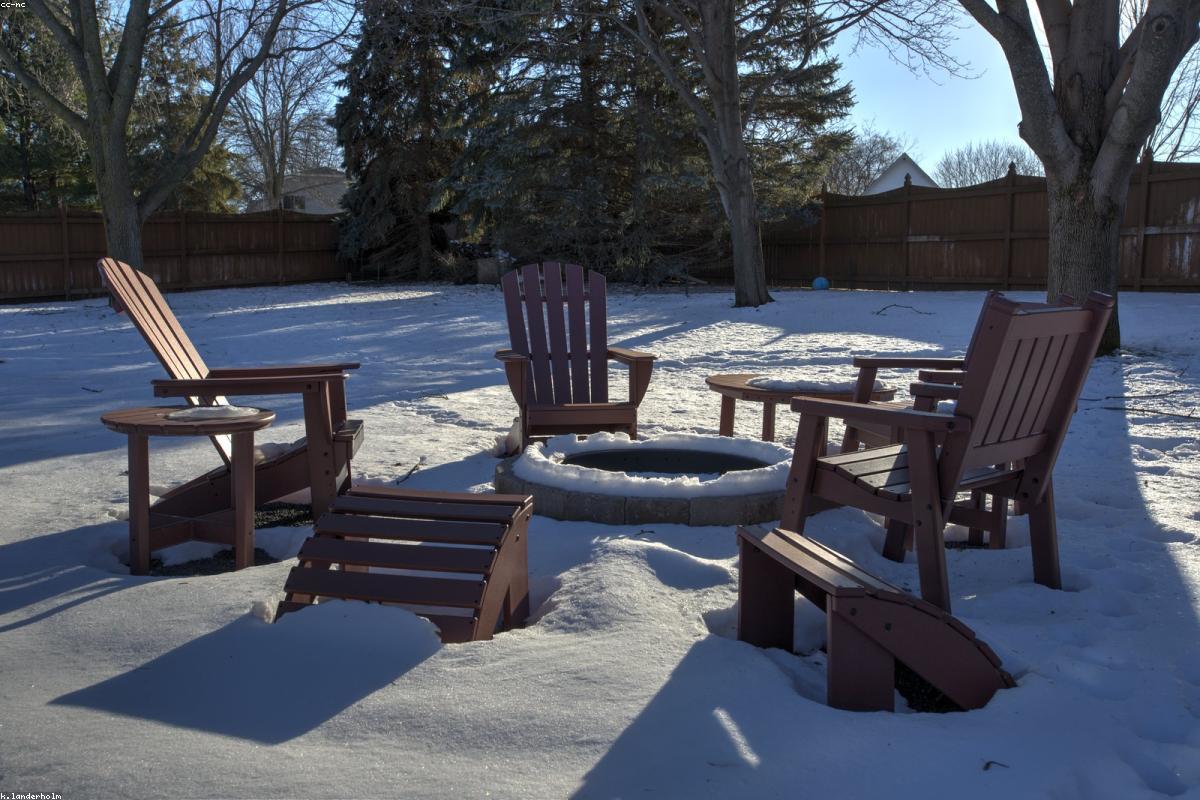
Every fire pit owner tells the same origin story: one October evening, drinks outside, a fire going, everyone staying out an hour past when they would have fled indoors. A fire pit changes the mathematics of your backyard — spring starts earlier, fall ends later, and weeknights get a legitimate reason to go outside.
The category has split in two, and the choice matters more than the brand.
Wood vs. propane
Wood-burning gives you the real thing: crackle, smell, radiant heat, marshmallows. Costs nothing per fire beyond wood, but demands dry hardwood, produces smoke, and leaves ash.
Propane lights instantly, adjusts with a knob, produces no smoke or embers, and works during many burn bans. But propane fire tables read more “patio heater” than campfire, and you will swap tanks regularly.
Within wood-burning, smokeless designs (double-walled fire pits that reburn smoke) have genuinely changed the game — same real fire, a fraction of the smoke in your eyes and clothes.
The picks
The Solo Stove Bonfire 2.0 popularized smokeless for good reason — a roaring wood fire with dramatically less smoke, a removable ash pan, and a size that heats a circle of six chairs.
On a budget, a classic steel fire bowl with a spark screen delivers the full campfire experience for a fifth of the price — smoke and all.
For smoke-free convenience, a propane fire table doubles as a coffee table when the lid is on and lights in seconds on a Tuesday.
Practical setup
Placement. Ten-plus feet from structures, fences, and overhanging branches. On a patio, use a heat shield or paver base under wood-burning pits — radiant heat cracks concrete and scorches composite decking.
Fuel. Seasoned hardwood (oak, maple) burns hotter and cleaner than softwood. Kiln-dried wood lights easiest. Never burn trash or construction scraps.
The kit. A spark screen for wood pits, a poker, a cover for weather, and a bucket of sand or hose nearby. S’mores skewers optional but statistically inevitable.
The honest tradeoffs
“Smokeless” means less smoke, not zero — especially while the fire catches. Wood pits rust without a cover. Propane tables cost per hour to run. And check local rules: some municipalities restrict open burning, and HOA patience with smoke varies.
FAQ
What size do I need? A 19-25 inch pit suits 4-6 chairs; go bigger only if you regularly host crowds.
Can it go on a deck? Propane: usually yes. Wood: only with a rated heat barrier, and check your deck’s rules and local code first.
How do I keep a wood fire smokeless-er? Dry wood, small splits, a hot established fire, and not overloading the pit above the air vents.
Buy for the evenings you will actually have — spontaneous weeknight fires argue for propane; weekend ritual argues for wood. Either way, your outdoor season just got two months longer.
Prices and availability are accurate as of the date noted on the product and are subject to change.